


Cannon Chaos: Silly Shots
4.466.00 Reviews
App Specs
- Version
- 4.8
- Updated On
- License
- Free
- Downloads
- 5,000,000+
- Developer
- World Sports Arena
- Categories
- Simulation
- Platform
- Android
Screenshots
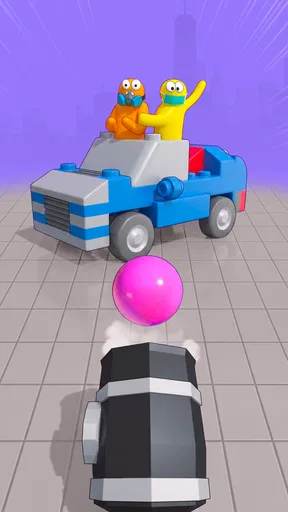
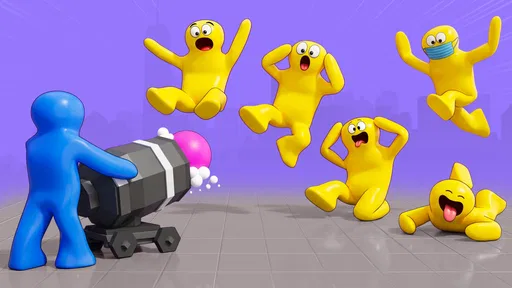
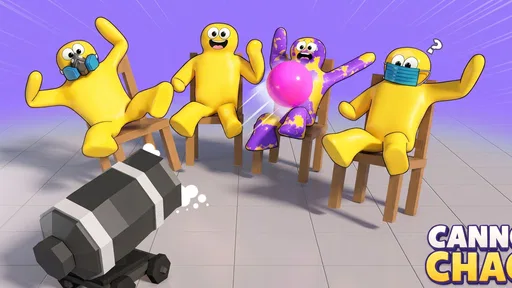
 Analysis by AppCompare
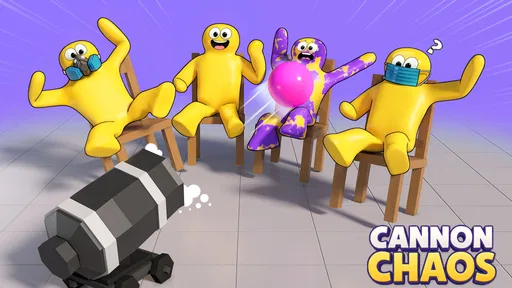
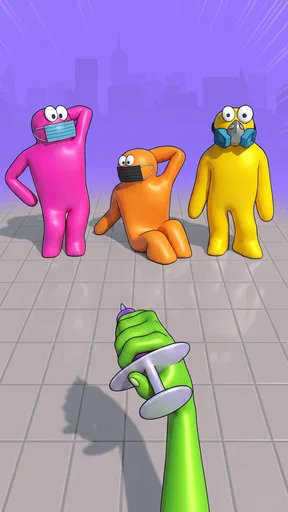
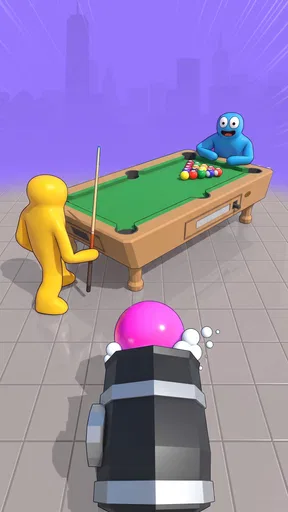
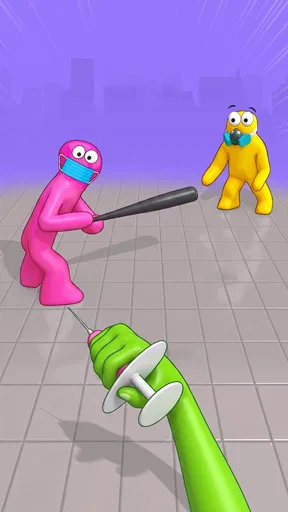
I spent time with Cannon Chaos: Silly Shots as a quick-fire simulation game built around one simple idea: aim a cannon, launch a shot, and enjoy the mess when it reaches a group of ridiculous enemies. That straightforward setup is the reason it is easy to start, but it is also the main thing to understand before downloading it. This is not trying to be a deep military simulator or a long-form strategy game. It is a compact, playful experience for people who want immediate action without learning a complicated control system.
Developed by World Sports Arena, the game is free and available for an Everyone audience. The current version is 4.8, and it runs on Android 7.1 or later. Its 4.4 average from around 40 thousand ratings and more than 5 million installs suggest that the basic formula has found a sizeable audience. My impression is that the appeal comes less from realism and more from the satisfying rhythm of lining up a shot, committing to it, and seeing whether the result is as chaotic as expected.
How the cannon-focused gameplay feels in everyday use
I find that the everyday appeal of the cannon loop depends on a small pause before each shot: taking in the whole setup, choosing what to aim for, and then seeing how the result changes your next attempt. In this section, I’ll look at how that rhythm fits into brief breaks and why a little observation can make a simple session feel more deliberate.
Fast sessions with almost no learning curve
The first thing I noticed is how quickly Cannon Chaos gets to the point. There is no need to spend a long time studying menus or memorizing a large set of commands before trying the central action. The cannon is the star of the experience, and the game communicates that clearly through its simple shooting loop. For a short break, that directness works well: I can open it, play a few attempts, and put it down without feeling that I have abandoned a complicated campaign halfway through.
The best moments come when a shot does more than hit its obvious target. The silly enemies make the outcome feel light rather than grim, while the cannon gives every attempt a small puzzle to solve. I found myself thinking about the angle and timing instead of firing mindlessly, especially when a direct hit looked less useful than a shot designed to create a wider chain of disruption. That small change in thinking gives the game more substance than its short description might suggest.
Why the humor matters
The playful presentation is not just decoration. It changes how failure feels. Missing a shot or producing a weak result is easier to accept when the enemies and action are intentionally silly. I did not approach each attempt with the pressure I would feel in a competitive shooter, and that makes the game suitable for casual play. It is the kind of title I would hand to someone who enjoys simple physics-based amusement but does not want a serious combat atmosphere.
That tone also makes it a reasonable choice for family-friendly play, within the boundaries of the Everyone rating. Parents looking for something uncomplicated may appreciate the lack of an intimidating premise. At the same time, the light presentation should not be mistaken for unlimited depth. If you need a game with a strong story, detailed character development, or a demanding strategic layer, this is probably not where you should begin.
Worth Reading Before You Choose

EA SPORTS FC Mobile 26 Is a Bigger Football Game, but It Takes Time

Flipboard Shows What News Apps Must Do Beyond the Feed

Switching to Android Auto Means Rethinking Your Driving Routine

Google Calendar Makes a Crowded Week Easier to Manage

Ludo King Makes the Most of the Minutes Between Plans

Baby Panda World Brings Quick Play to Modern Phones, but Its Game Library Feels Busy
A realistic use case: the five-minute break
Imagine waiting for a bus, taking a short break between tasks, or sitting down after dinner with only a few minutes available. This is where the game makes the most sense. I can focus on the cannon immediately, enjoy a handful of attempts, and stop without needing to remember a large narrative or coordinate with other players. The compact format respects short sessions better than many simulation games that take time to build momentum.
There is a trade-off, though. The same simplicity that makes it convenient can make longer sessions feel repetitive if the central shooting interaction does not keep you interested. I would not choose it as my only game for a long journey unless I already knew that its cannon experiments held my attention. It works best as a snack-sized game, not necessarily as a replacement for a deeper simulation experience.
What the current release tells me about the game’s direction
A version number can suggest that a game has progressed, but I prefer to judge a release by whether its core idea still feels clear and worth returning to. Here, I’ll consider what the current build says about the game’s focused direction, then turn to the practical habits and limits that matter when deciding whether to keep playing.
Version 4.8 feels like a maintained product, not a forgotten experiment
The current version number, 4.8, gives the game the feel of a product that has gone beyond its earliest form. I would read that as a sign of ongoing refinement rather than proof of a particular feature set. The responsible expectation is that the present build represents the developer’s current approach to the cannon-and-enemy formula, while future changes may adjust the balance or presentation. I would not install it expecting every update to transform it into a different type of game.
The release date of November 14, 2024 also helps place the experience in context. It is a relatively recent game rather than a legacy title being revived for modern devices. That matters to users with newer phones who want something designed for a current mobile audience, but it also means the long-term shape of the game is still something to watch. I enjoyed evaluating what is available now rather than assuming an imagined roadmap.
What has improved in practical terms
From a player’s point of view, the important evolution is not a list of dramatic claims; it is the fact that the game has reached a mature numbered build while keeping its identity focused. The cannon remains understandable, the silly targets keep the mood approachable, and the free entry point removes the need to make a purchase before deciding whether the loop suits you. That combination is valuable because it lets a curious player test the core experience without a financial commitment.
Still, a version number alone should not be treated as a guarantee that every player will notice major changes. Someone arriving from another physics game may find the controls familiar immediately, while someone expecting a large simulation sandbox may see the same focused design as a limitation. In my view, the release’s progress is best understood as polish around a clear idea, not evidence that the game has abandoned its arcade-like simplicity.
What existing players gain from the current build
For someone who started earlier, the current build is most appealing if the basic cannon loop already worked for them. A maintained version gives returning players a reason to check in without forcing them to relearn an entirely different game. The free model also makes it easy to keep installed as a casual option alongside larger games that demand more storage, concentration, or time.
My practical advice for returning players is to judge the game by how often the shots still feel worth planning. If you are experimenting with different angles and enjoying the consequences, the focused design is doing its job. If you are opening it only out of habit and firing without thinking, no version label can solve that loss of interest. The game’s strongest value remains its immediate interaction, so that is the right test.
Small habits that make the shots more satisfying
I found three habits especially useful. First, I stopped treating the nearest enemy as the automatic target. Looking at the whole group before firing made the result feel more deliberate and helped me notice opportunities for a broader impact. Second, I gave myself a moment to observe the layout instead of tapping immediately; the game is more enjoyable when each shot is a choice rather than a reflex. Third, I used short sessions deliberately. Playing until the loop felt repetitive and then leaving made the next return feel fresher.
These are not complicated techniques, but they change the experience. The game does not need a lengthy tutorial to communicate them because they come from paying attention to the relationship between cannon position, aim, and enemy arrangement. Players who rush every attempt may conclude that it is shallow, while players who treat each setup as a tiny physics puzzle may get more from the same content.
Where it sits beside other simulation games
Compared with management simulations, Cannon Chaos is much more immediate. There is no need to organize a city, balance a budget, develop a team, or wait for a long system to produce results. Compared with realistic artillery games, it is lighter and more forgiving in spirit, with silly enemies replacing a serious battlefield mood. Compared with puzzle games based entirely on static logic, it has a more physical feel because the shot itself is the event you are trying to control.
That position is useful, but it also defines who should skip it. If your favorite simulations are about building systems over hours, this may feel too narrow. If you want an online competitive game where your performance is measured against other people, this is not the obvious choice. If you prefer narrative adventures, the cannon loop will not provide the character-driven motivation you are looking for. I would choose it specifically for casual physics-based action, not because it carries the broadest simulation feature set.
Remaining friction in the experience
The central limitation is repetition. A cannon, a target group, and a satisfying impact can remain entertaining for a while, but the formula needs enough variation to hold attention over extended play. I also think players who enjoy precise control may want more feedback than a casual game normally provides. When a shot does not produce the result I expected, part of the fun is experimenting, but part of the frustration comes from not always knowing whether I misjudged the aim or simply got an outcome that felt unpredictable.
Another friction point is the gap between “simulation” as a category and what many people imagine when they hear the word. The game simulates a playful shooting scenario, but it is not the same kind of simulation as a vehicle, life, farming, or construction title. That distinction is important when deciding whether to download it. The store’s short description, “Cannon Chaos,” is accurate in spirit: the experience is about controlled disorder, not a broad virtual world.
The free price is helpful for trying it, but free games can also encourage players to compare them with larger premium experiences. I would not judge this title by the standards of a paid, content-heavy simulation. Its value comes from accessibility and quick amusement. If you want a game that earns attention through a small repeatable action, it makes sense; if you want a substantial one-time purchase with a clearly defined ending, another option may suit you better.
Who will enjoy it most
I would recommend it to casual players who like experimenting with aim, people who enjoy humorous enemy designs, and anyone looking for a low-commitment game for short breaks. It is also a good candidate for an older Android device because the minimum operating-system requirement reaches back to Android 7.1, making it accessible to users who are not carrying the newest phone. That does not guarantee identical performance on every device, but it does make the potential audience broader than games restricted to recent systems.
I would be more cautious about recommending it to players who need a long-term progression project. The game’s strength is the moment of firing and watching the result, not a complex personal story or a large management system. It is also not my first pick for someone who dislikes repeated attempts. The design asks you to enjoy trying again with a slightly different approach; without that mindset, the simplicity can become a drawback quickly.
What I would watch in future updates
If I were following the game’s development, I would pay attention to whether future updates deepen the cannon interaction without making it confusing. More meaningful variation in enemy arrangements, clearer feedback after unusual impacts, and fresh reasons to reconsider an old shot would strengthen the existing formula. The key is balance: adding layers could help experienced players, but too much complexity would weaken the immediate accessibility that makes the game approachable.
I would also watch how well the developer preserves the silly tone. The humor is part of the game’s identity, so changes that make the action feel overly serious would remove some of its charm. At the same time, new players need enough variety to understand why they should return after the first few sessions. The best direction would build on the playful cannon experiments rather than turning the title into a generic action game.
My final recommendation
After trying it, I see Cannon Chaos: Silly Shots as a focused, friendly simulation game that succeeds when I want immediate amusement rather than a major time investment. The free download, Everyone rating, broad Android compatibility, and more than 5 million installs make it an easy title to consider, while the strong average rating shows that many players have responded positively to its approach. I would recommend giving it a chance if the idea of planning playful cannon shots sounds enjoyable.
My recommendation comes with a clear condition: keep your expectations centered on the shooting loop. This is not the right choice for deep construction, realistic warfare, competitive multiplayer, or story-led play. It is better understood as a small physics playground where the pleasure comes from aiming carefully, accepting unexpected results, and trying one more shot. For short, silly bursts of cannon-based experimentation, it earns a place on my casual-game list.
Pros
- Simple controls make it easy to pick up and play.
- Short levels fit well into quick gaming sessions.
- Silly physics create amusing and unpredictable moments.
- Bright visuals give the game a cheerful
- casual feel.
- Progression encourages replaying levels for better results.
Cons
- Some stages may feel repetitive after extended play.
- Random physics can occasionally make shots feel unfair.
- Difficulty balance may vary between individual levels.
- Ads may interrupt gameplay for free players.
- Limited depth may not satisfy players seeking a long campaign.
FAQs for Cannon Chaos: Silly Shots
What is Cannon Chaos: Silly Shots about?
Cannon Chaos: Silly Shots is a casual physics-based shooting game centered on launching projectiles from a cannon and causing as much amusing chaos as possible. Players generally aim at targets, structures, obstacles, or characters while experimenting with timing, power, and angles. Its appeal comes from quick rounds, playful visuals, exaggerated reactions, and simple controls that are easy to understand without requiring a long tutorial.
Is Cannon Chaos: Silly Shots easy to play for beginners?
Yes, the game is designed to be approachable for casual players and beginners. The main interaction usually involves adjusting the cannon’s direction or strength and then firing, so the basic controls can be learned within a few attempts. However, later challenges may require more accurate aiming, better timing, and creative use of the environment, giving experienced players additional room to improve.
Does Cannon Chaos: Silly Shots require an internet connection?
The core gameplay appears suitable for short, offline-style sessions, which makes it convenient for playing while traveling or when a stable connection is unavailable. Nevertheless, internet access may still be needed for advertisements, analytics, updates, leaderboard features, cloud-related functions, or optional rewards. Players should check the current store description and the permissions requested on their device before downloading.
Is Cannon Chaos: Silly Shots free to download and play?
Cannon Chaos: Silly Shots can generally be downloaded without an upfront purchase, but free access may be supported by advertising or optional in-app purchases. Depending on the version, purchases could provide extra content, remove advertisements, or offer gameplay-related bonuses. Parents should review the payment settings and enable purchase restrictions if children will be using the application.
What devices are compatible with Cannon Chaos: Silly Shots?
Compatibility depends on the specific Android or iOS version available through the official app store. Before installing, users should review the listed operating-system requirements, required storage space, and the developer’s device recommendations. The game’s simple presentation should make it accessible on many modern phones and tablets, although performance can vary on older hardware or devices with limited memory.


